“Tim, what color’s the sun?”
I’m lying with my best friend in his backyard. The grass is damp beneath our backs, freshly shorn, the aftermath of his father’s Saturday morning lawn-care rituals.
“Golden,” he murmurs, his blue eyes closed. “Sometimes orange. Why?”
“No reason,” I say.
Tim chuckles, “You always have a reason.” He scratches his chest and I listen to the raspy sound his t-shirt makes against his skin.
He’s right. When I was young, I used to think the sun was clear, colorless. That was before kindergarten and crayons, when the teachers didn’t believe that any drawings had a sun in the sky unless there was a round yellow circle with spider legs shooting out of it, which I thought looked unbelievable and a little creepy.
The screen door slides open and slams shut, shuddering. Speaking of things that were unbelievable and creepy. Tim’s older brother, Brett, stomps out onto the deck, all barefoot and hairy teenage legs, topped with cargo shorts and a Minos football jersey.
They greet each other in their brotherly way.
“Loser.”
“Jerk.”
I don’t get a greeting. Brett hasn’t said my name in two years, since that night when the three of us played soccer in their backyard. Tim was in goal, I was defending, and Brett was on the offensive. For the most part, Tim and I were doing pretty good warding off Brett’s superior soccer skills, until a wild rebound off the trunk of one of the crab apple trees sent Brett and me running full tilt towards the ball. I reached the ball first, but Brett was a good 15 pounds heavier. When our bodies collided, I went flying into the fence boards.
I’d never seen stars in daylight before. It was like the time Tim dumped silver sparkles into a container of black paint during kindergarten craft time. A few moments, a galaxy flooded my vision, then darkness.
It’s been said that star light is white, and that the sun can be yellow, orange or red, even though it’s also a star. Our closest one, in fact.
#
“It was an accident,” Brett said to their dad while I sat on their beige couch, ice pack against a plum-sized bruise on my forehead, wads of kleenex stuffed up my nose, trying not to bleed onto their flower throw pillows. “I didn’t see Zhi.”
Despite my silence and Tim’s insistence otherwise, those were the official words uttered to my parents when their dad dropped me off at home that night.
Brett pretended not to notice me as he recounted his side of the story, but we both knew that just before impact, he looked me right in the eye.
#
Brett sniffles, sucking back his spring post-nasal drip. I keep my eyes closed, try to pretend he’s not there, but I can feel his shadow on my face and find myself imagining white crusts forming around the dark rims of his nostrils.
“Does your hair ever burn?”
My eyes snap open, “What?”
Brett grins, a gapped-toothed T-Rex grin. “Your hair’s black. Black things absorb heat.”
All things considered, we probably should’ve applauded him for retaining a science fact, but my hands stay at my side, fingers curling under the dark caves of my palms.
“Get lost, jerk,” Tim says, he’s cracked one eye open, watching.
“I’ll bet it’s hot,” Brett says in a sing-song voice as he reaches out towards my head.
I go to swat his hand away, but Tim beats me to it. A loud smack echoes in the yard.
Brett’s eyes widen as he shakes out his hand, then he shrugs. “Didn’t want to touch her anyways.”
“Shut up,” Tim rolls his eyes.
“Put your arm next to hers.”
I don’t know where Brett’s recent interest in science and the natural world is coming from, but I want it to stop right now. I wait for Tim to ignore him, to shrug or suggest anything else. But instead, Tim sits up, turns his back to us for a moment, scratches his arm, and then holds it out and says, “Fine.”
I line up my arm next to his, the hairs on our skin buzz with closeness. I close my eyes. I don’t want to see what Brett sees.
“Well,” Tim says, a weird tone in his voice. “That’s an odd color.”
In my mind, I’m once again thrown into the air. I hold my breath, bracing for impact.
“What the…” Brett says, his voice squeaking high, phlegm catching in the back of his throat.
Curiosity halts my imagined downfall. There’s my arm, skinny and tanned next to Tim’s, whose freckled arm isn’t tanned, but suffused with a bright gold tinge.
Brett looks down at his own arm then at Tim’s, his mouth gaping like a fish tasting the burn of air for the first time. He sniffs once more and retreats back into the familiar comfort of their dim, pollen-free house.
Tim grins at me and holds up the head of a ragged dandelion flower and laughs, tossing the worn-out petals over his shoulder.
I try to chuckle, but it stalls in my throat. I always thought Tim never noticed. He did, he just didn’t care.
Then Tim says, all serious, “You were tricking me, Zhi.”
“How?”
“About the color of the sun,” Tim leans back onto his elbows as he looks at me, freckles across his nose, blond wavy hair falling away from his eyes. “I remember now. Last month’s bio class,” he says. “Sunlight has all sorts of colors.”
“Ah, you’re too smart, Tim,” I say, turning my face away, voice casual.
We lay back down on the grass. Somehow, the space between him and me feels further, a growing distance of knowledge. The warm rays soak into our cheeks, pulling the pigments of our ancestors to the surface.
I reach down, pull up a blade of grass, nibble on the bitter-soft white of the root.
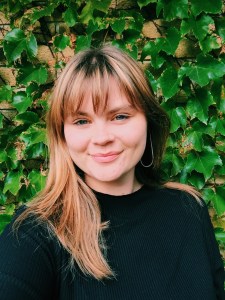
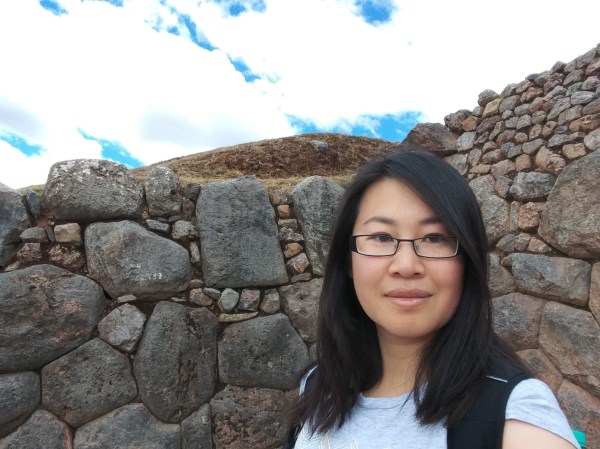 Jenny Wong is a writer, traveler, and occasional business analyst. She resides in the foothills of Alberta, Canada and tweets @jenwithwords. She is currently attempting to create a poetry collection about locations and regularly visits her local boxing studio. Publications include 3 Elements Review, Grain, Vallum, Sheila-Na-Gig Online, The Stillwater Review, Atlas & Alice and elsewhere.
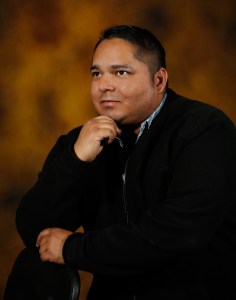
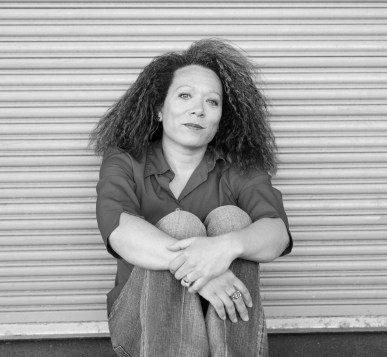
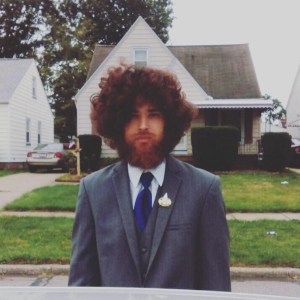
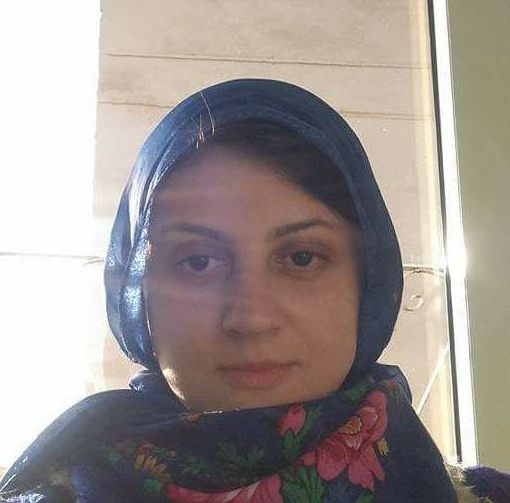 Riham Adly is a fiction writer/ translator from Egypt. Her work has appeared in The Citron Review, Flash Back, Vestal Review, The Connotation Press, Bending Genres, New Flash Fiction Review, Flash Frontier, and Ellipsis zine among others. Her stories have received nominations for Best of the Net and the Pushcart Prize. Her work was also chosen for inclusion in the Best Microfiction 2020.
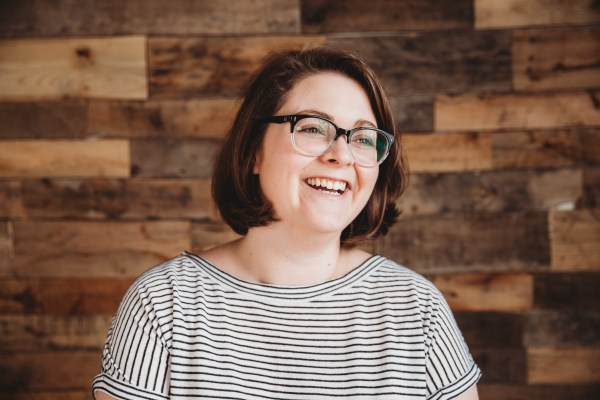 Meghan Phillips is a 2020 National Endowment for the Arts Literature Fellow. Her flash fiction chapbook Abstinence Only is forthcoming from Barrelhouse Books. You can find her writing at
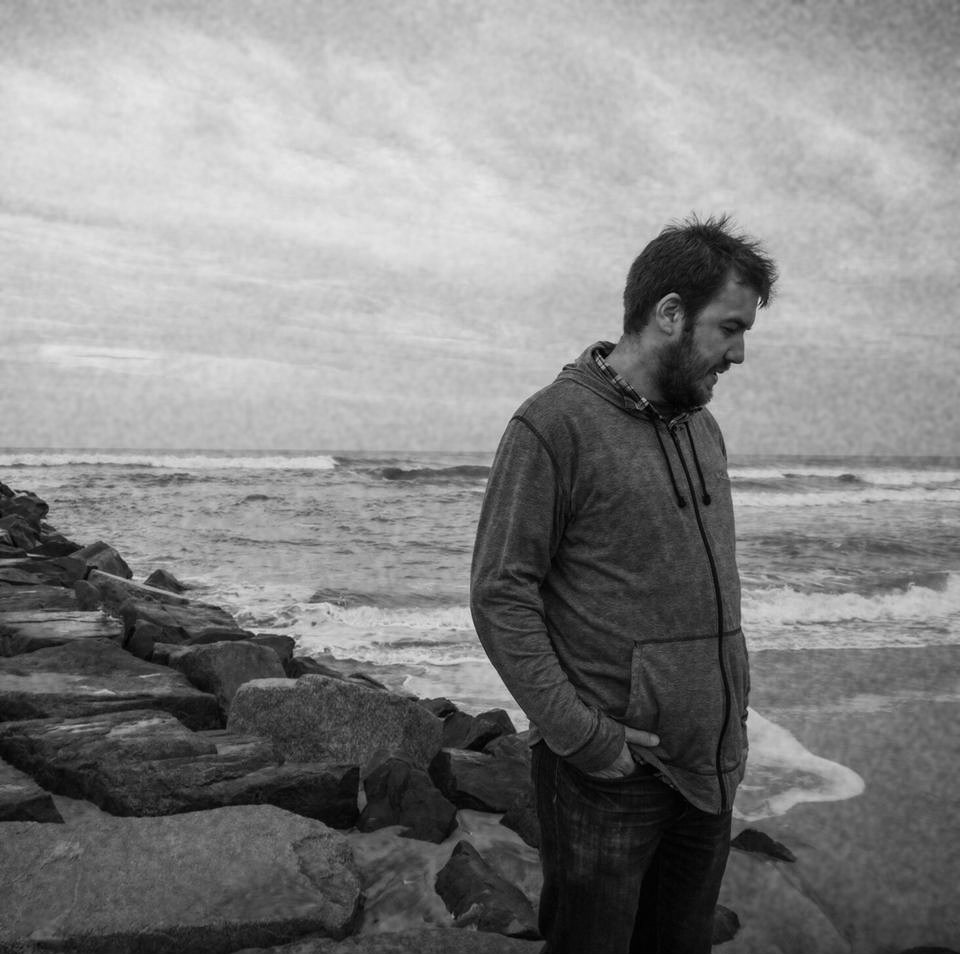
 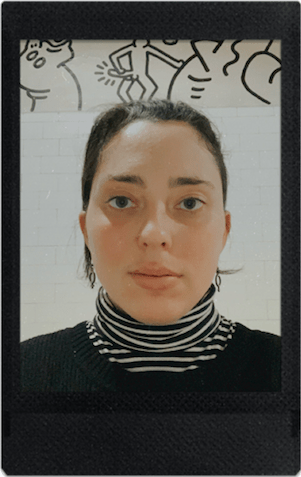 Annette Covrigaru is a gay, bigender American-Israeli writer and photographer based in Brooklyn, NY. They were awarded a Lambda Literary Emerging LGBTQ Voices Nonfiction Fellowship in 2014, a Home School Hudson 2019 Poetry Residency, and earned an M.A. in Holocaust Studies from the University of Haifa. Their nonfiction and poetry have appeared in Entropy, Hobart, Cosmonauts Avenue, and FIVE:2:ONE, among others, and are collected at
  Lost Balloon