
My monster fits in my pocket, but when we’re relaxing in the evening, watching TV, he sleeps on my chest. I like police procedurals where they catch murderers. (I like the American ones especially.) He likes my breathing and heart rate when I’m quietly satisfied.
At work, when I’m agitated, and largely out of place, that’s when the monster prefers my pocket, away from my heart, still near the warmth of me. I venture he is cold-blooded, but I haven’t asked him, and I’m not sure if he would say. Mostly, he quotes poetry.
His favorite poet is Alexander Pope, and often he says to me, “Oh, ever beauteous, ever friendly!” And while that is a kind thing to say, it’s from a poem about an “Unfortunate Lady,” and I don’t think she was unfortunate only for her death (in the poem, you see), so there is some insult there.
“Spare your censure,” is another one of his go-tos. But I don’t know if he has the level of intelligence required to draw out lines from the poems of Pope and connect them to my life, not in an entirely appropriate way, not for the situations I find myself in. I often wonder, Was I censuring? Though overall, again, I like the sentiment, because I should not waste my time on others, or on negativity. I should not censure, generally speaking.
I could be thinking happy thoughts, memories from my childhood perhaps. I do sometimes. I reflect. And when I do, I idly stroke my monster’s head, to which he says, “that noble seat of thought.”
From his love of Pope, and his accent, I assume my monster is British, and I wonder if he is as old as the poems. I wonder if he could be yet another thing to mock my American-ness, as I build this new life.
Though that’s a negative thought. I recognize that. If I make myself think more positively about him, I think that he’s here to help me, to help me adjust and fit in. He could do that, maybe, if he didn’t only speak lines of poetry. I often get into trouble with the different words we have for things, and there aren’t many lines of poetry about that.
I told someone, I like suspenders, and here, that’s how they refer to garter belts, as if I were talking about my negligée.
Braces, they told me. You like braces.
I do? I said, thinking about how I didn’t ever like anything I’d braced myself against in my life.
They nodded.
I wanted to laugh, but in my pocket, the monster bit my finger, and my eyes filled with tears.
They went, No, no, no, it’s not a big deal.
And I said, No, no, no, I’m okay.
But they didn’t believe me, and I wouldn’t have either, faced with a small, crying woman, whose face went red and eyes shined like they could take in all the light in the world and shove that light into stretched triangles of the brightest white, moving this way and that with the movements of my eyes.
I don’t mean to sound ungrateful. Perhaps my monster was teaching me how to accept help and show my vulnerabilities.
I can say, with certainty, that since my monster came into my life, I have not seen one spider in my house. No ants. Not even a field mouse in the yard.
I didn’t realize it was him at first. I mentioned it to a neighbor, and they said they had noticed the same thing in their yard. Eventually, I put two and two together. Now I wonder about the reach of my monster, how far he roams when I’m asleep, how many mice until he’s full.
Of course, with this new knowledge, I came to realize that he is not cold-blooded, if he can travel from me at night, if he has the energy to hunt. The first thought I had—Why have I been assuming he has blood at all? I have no idea what’s underneath his skin or running through his flesh, ever beauteous thing.
The hunger is revealing though. If he needs to eat, he needs energy, and maybe he has cells. But if he only wants to eat—that’s revealing in another way. And then consumption is merely the easiest way to clean up after himself. With everything tidied and away, he can continue with this hushed life, which he has built with me.

Sarah Blake’s debut novel Naamah is a retelling of The Great Flood from the perspective of Noah’s wife, published by Riverhead Books in 2019 and winner of the National Jewish Book Award for Debut Fiction. Her most recent novel Clean Air was published by Algonquin Books in 2022. It was selected as an Apple Books Best Book of the Month, an Editors’ Pick at Amazon, and Oprah Daily called it “a cli-fi novel for our times.” Blake is also the author of three collections of poetry, In Springtime, Let’s Not Live on Earth, and Mr. West, all published by Wesleyan University Press. She is the recipient of a Literature Fellowship from the National Endowment for the Arts and holds her MFA from The Pennsylvania State University. She currently lives in the U.K.
 Bethany Jarmul is an Appalachian writer and poet. She’s the author of two chapbooks, including a mini-memoir Take Me Home from Belle Point Press. Her debut poetry collection Lightning Is a Mother is forthcoming with ELJ Editions in 2025. Her work has been published in many magazines including Rattle, Brevity, Salamander, and The Ex-Puritan. Her writing was selected for Best Spiritual Literature 2023 and Best Small Fictions 2024, and has been nominated for the Pushcart Prize, The Best of the Net, Best Microfiction, and Wigleaf Top 50. Connect with her at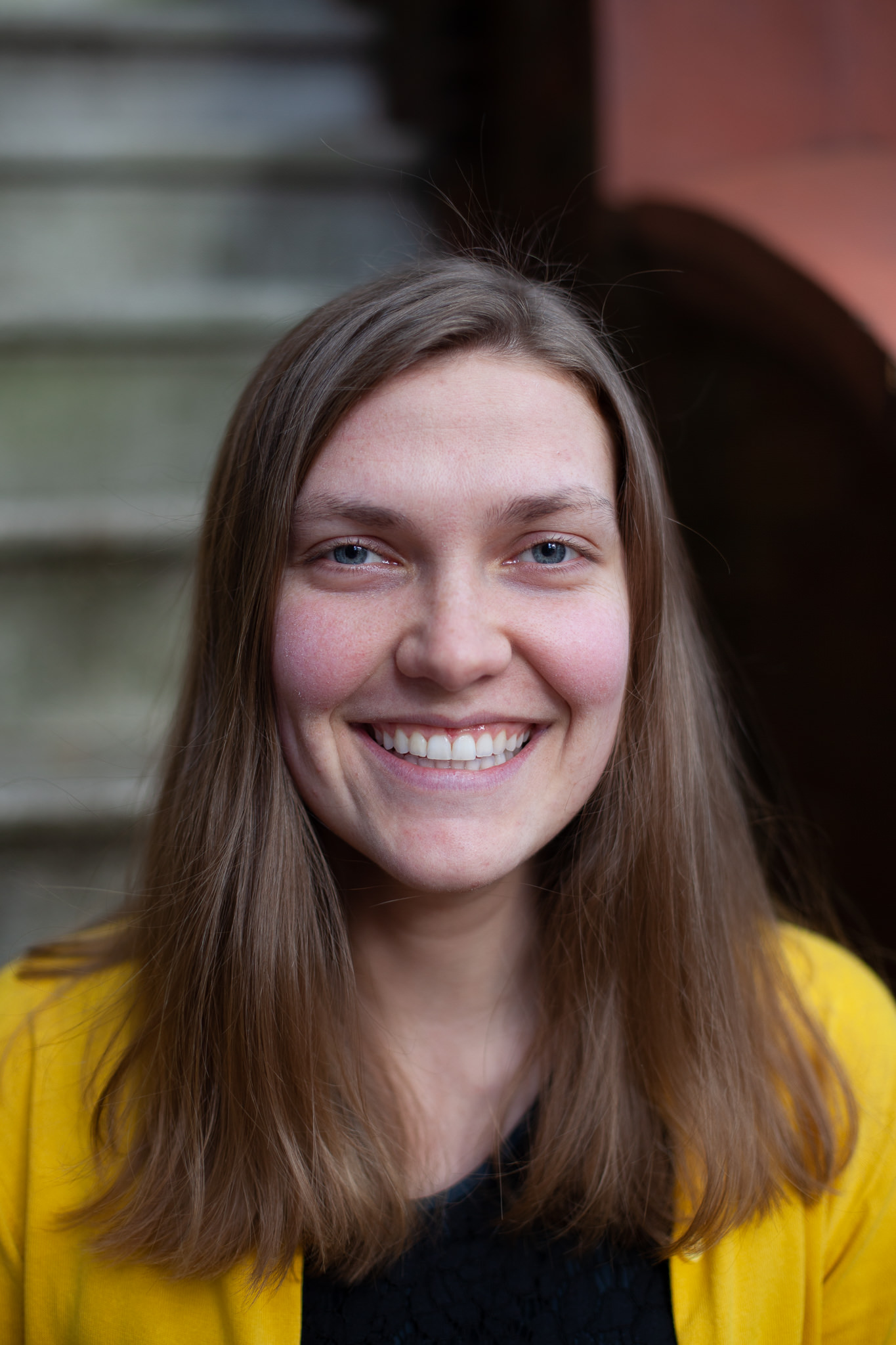
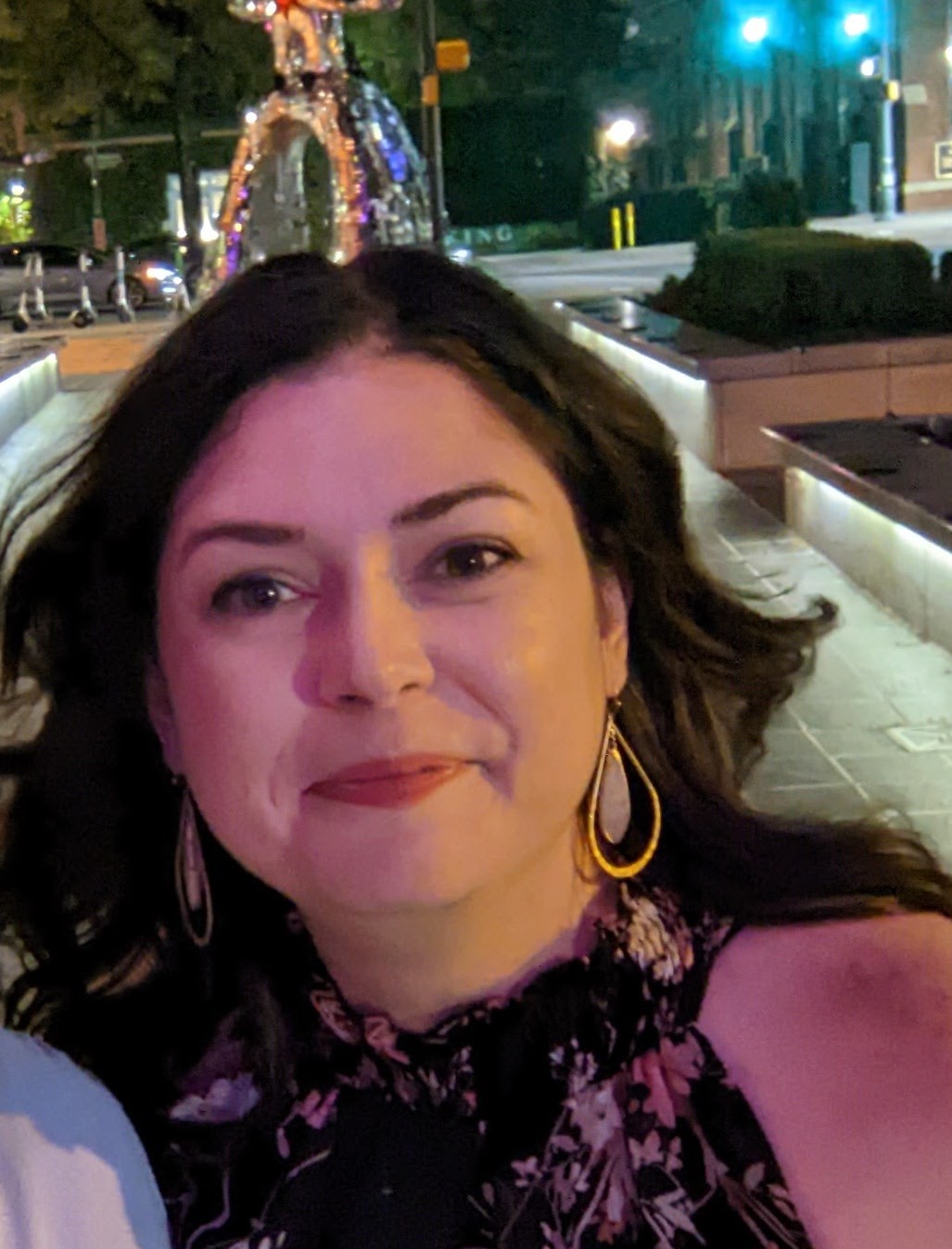 Jacqueline Parker is a writer/editor based in Charlotte, NC. Her fiction often explores loss in its many forms, but occasionally she writes something funny. She’s an Associate Flash Editor at JMWW and you can find some of her work in Funicular, Flash Fiction Online, Blue Earth Review, and elsewhere. She’s currently working on a collection of short stories and flash exploring the feminine wild. Read her work at
  Belinda
 Lost Balloon