Better Than by Lee Doyle

I had this new dress. It was completely over the top, but I wore it anyway.  I guess I wanted to make a lasting impression. The slinky fabric, the hot pink and lime print, the bell sleeves, a dress no one’s mother had owned, surely.  In the consignment shop on 19th Avenue, the saleslady slipped it off the mannequin and commented on my excellent taste.

“I’ll take that pale blue suitcase, too,” I said.

The blackberry bushes in the backyard engulf the swing set, now. They will ripen soon. More pies and jam I will fail to make. Last summer, the day I came home from the hospital the third time, I found Lynette at the stove, stirring sugar into berries and hot water.  Miles bought frozen pie shells. The three of us ate pie.

Advice from my dead mother’s playbook: Tears are for clearing dust and tiny insects from your eyes.

Miraculously, I locate a clean pair of underwear and a bra in the bureau.  For weeks, Miles has been coming home to the private moat of dirty laundry on my side of the bed.  He pretends not to notice.

The dress falls cool past my shoulders, over my waist, belly, and thighs.  The chainsaw noise in the living room signals the start of the Indy 500.  Any minute, Miles will come into the bedroom to see if I’ll join him and our daughter, make it a family affair. When she was a colicky baby, the roar of Formula One cars soothed her.

Fifteen years ago, he made his way clear across campus, his gait uneven, and asked if he could borrow the notes for a lecture he’d missed.

“I don’t take notes,” I said.

“But  I see you writing furiously, every class.”

“I’m doodling.”

He gestured over at the student union building, a shipwreck rising out of a concrete sea.  “Good.  I’ll buy the beer, and you can show me your doodles.”

Over beer, I asked, “Why do you limp?”

“Hit by a taxi.” He pointed to the bad hip. “A steel pin’s been holding me together since I was fourteen.”

“Good.”

“How is that good?” His eyes, a field of wild iris back home.

“You’re too handsome, otherwise,” I said.

He moved himself and his Siamese cat into my studio apartment. We cooked, made love. Managed to graduate. Got married. Managed to laugh at things that make most people cry.

“Don’t catch the house on fire,” Miles yells into the kitchen.

Lynette fires back, “A monkey can make Jiffy Pop!”

I hear the scrape of tin on the stove. She’s counting each pop.

Mom goes to the loony bin three times; daughter counts her world. Raisins in a handful. Tiles in the bath. Filaments of a web.

“Are you coming to watch the race?” Miles says through the bedroom door.

I close the suitcase. Toothbrush.  Hairbrush.  A pair of jeans, two pullovers, and three tees, a denim skirt I bought to drive out from Kentucky to California, ten minutes after I turned eighteen.

He joins me at the window and picks up one of the sand dollars lined up on the sill. Curving a calloused finger around the shell’s edge, he says, “That’s quite a dress. You going someplace special?”

His money has always been on the shrinks. Another fiction we maneuver, like the moat of laundry.

“You two are better off,” I say.

He sets down the sand dollar. “I’m going to call Dr. Ames.”

“I’m not going back there, Miles.”

“You don’t get to decide that.” He’s looking at the suitcase on the bed. “You know she’s rooting for Danny Sullivan?” He takes my chin and makes me look at him.

Sullivan is a Kentucky boy.

“Please don’t forget the lemons,” I say.

Miles grips my chin tighter. During a heatwave, when he was building the work shed, I picked lemons. Made the lemonade in an empty coffee can. No walls on the shed yet, just a frame and open air.  Optimal conditions for making a baby, he said.

I pull away. My chin burns, and I hope it doesn’t stop. I need to feel.

“You’ll be back,” he says.

“Close the door behind you, please.”

I put on shoes, makeup. Our daughter watches from the mirror’s edge: Timid smile. Lips pressed shut over lost baby teeth. Pigtails, long tangled hair, short hair, long again, then smooth and shiny as a shampoo commercial actress. In these wallet-size girls, her father’s grey eyes and a conviction to live fully. Her 12th birthday party at the indoor rink is two weeks away. I will not stand next to Miles, who’s not a drunk and makes the best omelets in San Francisco, while she and her friends slice paths in the ice.

I slip the sand dollar Miles was holding into my purse and pick up my suitcase.

The broken ones get tossed back into the ocean. Lynette’s theory is that they find each other, mate, and form more perfect sand dollars.

“Like people?” I asked.

“No, Mom, they’re shells.”
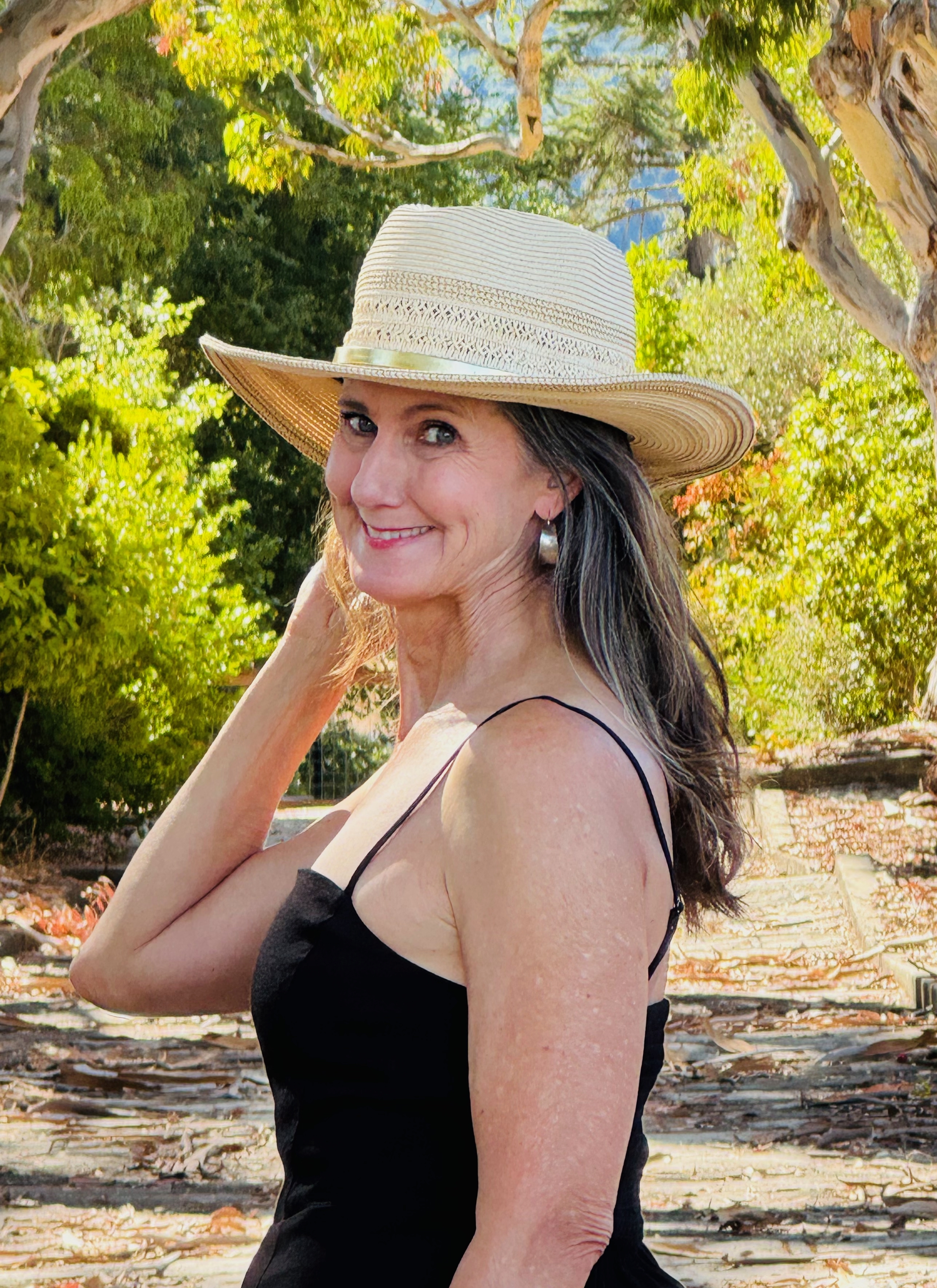

Lee Doyle’s work has appeared in Calyx, Consequence, Nostos, The Healing Muse, Unbroken, and other publications. Her first novel, The Love We All Wait For, won Best Novel at the East of Eden Writers Conference. An audiobook of the novel, newly titled Hearts Crazier Than Mine, will be released this fall. Lee holds an MFA from the Bluegrass Writers Studio at Eastern Kentucky University and shares a lair in San Rafael, California, with a black Lab named Jasper. She’s working on her second novel.


Why I Don’t Have A Tattoo by Stuti Srivastava

I don’t have a tattoo because I don’t want one, I tell everyone. That’s a lie. I have wanted a tattoo since I first saw a person up close with a tattoo of their choice instead of “Amarendu’s wife” scribbled in Hindi on the right arm of Kanti’s mother, packing her nameless being into a husband-shaped box, locking it up, and tossing away the key. A tattoo of belonging, but not to herself, never to herself. I had not wanted a tattoo because I never found out what Kanti’s mother’s name was.

But I flew the nest and landed in college to find a kind friend who decorated her body with art, she said. When I asked what the thorny bush on her ankle meant, she told me it was a reminder of a phase where she lay flatlined in a torture chamber and realised the hard way that seemingly lush bushes have thorns more often than not. I gazed at her and then at my bare skin with no art to dedicate to it, and she smiled and said, “a tattoo can mean what you want it to mean.”

I don’t have a tattoo because I quit a well-paying prestige job right around my earliest panic attacks after I overheard a boss admonish a red-eyed employee, who shook off her shaking and entered the meeting room after drawing a sharp breath. I never learned to shake off my shaking, so I fainted instead and sat wordlessly in the doctor’s office less than a week into my new job.

I don’t have a tattoo because my parents didn’t quite understand why I quit a job just because I fainted once, yet booked me tickets home anyway. They took me along on their pre-planned trip to Dalhousie and did not get me a separate room. My father said “why would you even think that” and left when I suggested I could book myself another room to give them their space, an insult I now know to be of the highest order. My mother and I slept on the cozy double bed while he pulled out the extra mattress and plonked himself on it way before his bedtime, way before I could begin to timidly assert any protest. On a walk to the market the next morning, we passed by a group of foreigners, the tallest among them flaunting a tattoo sleeve while also flaunting some weak-looking yoga moves. My father shook his head and smiled at me wryly, and I knew he hated tattoos as much as he hated weak-looking yoga moves.

My god-fearing mother came around to accepting and then defending my interfaith relationship despite her brother demanding an explanation for why her blood does not boil. Her only query, over an unscheduled cup of ginger chai on an unexpectedly bitter winter morning, was whether the guy I chose is a smoker. I don’t have a tattoo because I said an emphatic “no, not at all” while digging my nails into my palms under the table.

My tattoo would have been on my left arm, and I would have asked the tattoo artist to choose the spot that hurt the least. “There is no pain; you are receding” it would have said, because a tattoo can mean what I want it to mean. I would have made sure to use a semicolon instead of a comma because I once deducted two marks from a junior copyeditor’s review for allowing the grave error of a comma splice to pass. Wearing a Pink Floyd t-shirt my friend got for me from a street market in Chicago, I would have played the song while getting its lyrics etched onto my body. In the moments culminating into decorating my body with art, I would have slipped into a dreamless void and meandered into the recesses of my buried desires to greet them with a knowing, lingering affection.

I don’t have a tattoo because I see my parents getting older than when I last saw them, I notice them take longer to pluck coriander stems, and I leave home anyway. We pretend our eyes are not glassy and there are no globe-sized lumps in our throats as I wave at them after getting my boarding pass verified at the airport gate. I see them waving back a tireless goodbye until they think I am not visible anymore, and I duck behind the side windows as I catch them look at each other for a second longer than usual before stepping inside the car. Tattoos hurt, don’t they?


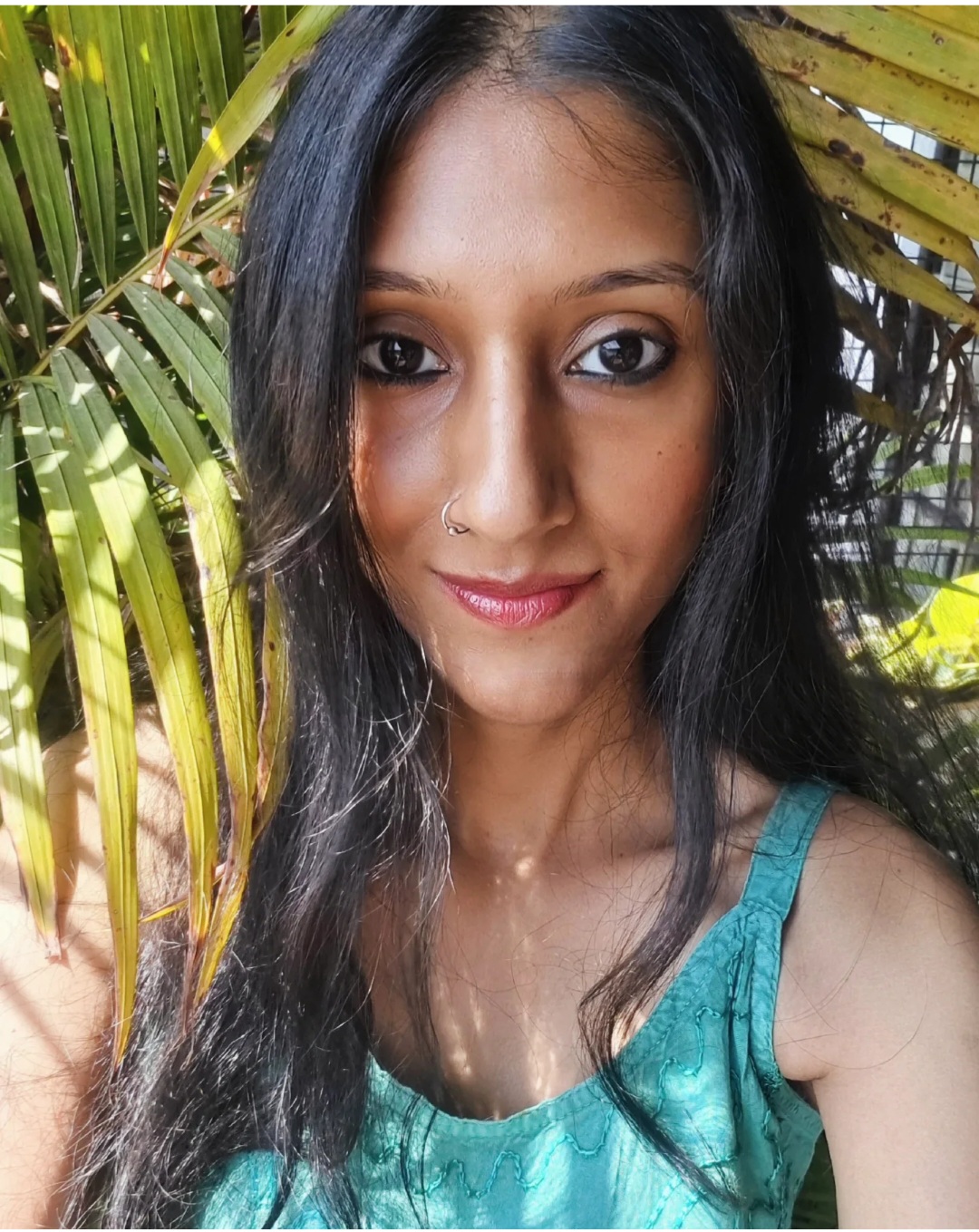
Stuti Srivastava is a writer who looks to the earth before calling herself one. She likes to explore themes related to gender and relationship dynamics, inner worlds, and inequalities. When not binge-watching grisly crime thrillers, she will be found curled up with a book, lost in her world. Her writing has been published in MeanPepperVine and Unruly Dialogues.

Rewind by Cole Beauchamp

I have something to tell you, my husband says, but I’m not listening. I’m trying to shift the stone lodged in my mountain boot. Rain has slicked the narrow path covered in last year’s crushed leaves and we’re on a steep descent.

More words tumble out of his mouth: didn’t mean anything, didn’t want to hurt you, didn’t think, didn’t blah blah blah.

I watch him speak and wonder how long ago he stopped being the man I love. What I feel is as hard and as true as the stone I cannot dislodge. I raise my arm to shush him, to stem this flow of didn’ts and didn’ts and didn’ts. I have my own list. All the times I didn’t protest when he worked late, the art classes I didn’t take because he didn’t help with the kids, the tedious socializing that helped build his career. Up goes my arm and whoosh go my boots. Treacherous path. Treacherous husband. I slide and slide and collide into boulders, sharp edged branches, stinging nettles. I thump into the bark of a fallen tree. All goes black.

Rewind.

I have something to tell you, my husband says. This time we are settling in for a romantic dinner. I’ve laid the dining table, the one we rarely use, and cooked his favourite meal. It’s my apology for all the nights I’ve been away, all the children’s appointments I’ve forgotten, all the travel I’ve done for my art exhibitions. I’m serving the lamb chops, fragrant with crushed cumin and fennel seed, smiling as I pop open a bottle of champagne, when words tumble out of his mouth: you’re never around, you never want sex anymore, you never appreciate, you never blah blah blah. And when I raise my arm to shush him, to stem this flow of never and never and never, I lose my footing on a slick of wine that I never saw coming. All goes black.

Rewind.

I have something to tell you, my husband-to-be whispers. I’ve snuck out of my sister’s house to make out with him under the majestic elm tree. Tradition says it’s bad luck to see the bride the night before, but we don’t believe in any of that. We’re young and gorgeous and in love, him with cropped hair waxed this way and that, me with my gypsy skirt and flouncy blouse. Great, I say, but I’ve got something to ask you first. And this time, we talk and talk and talk about careers and kids and taking turns. We argue and laugh and cry about all the what ifs that could come our way. We kiss and kiss and kiss into the small hours, until the grass is bent with dew, until the dawn is pinking the sky and we can’t rewind any further.


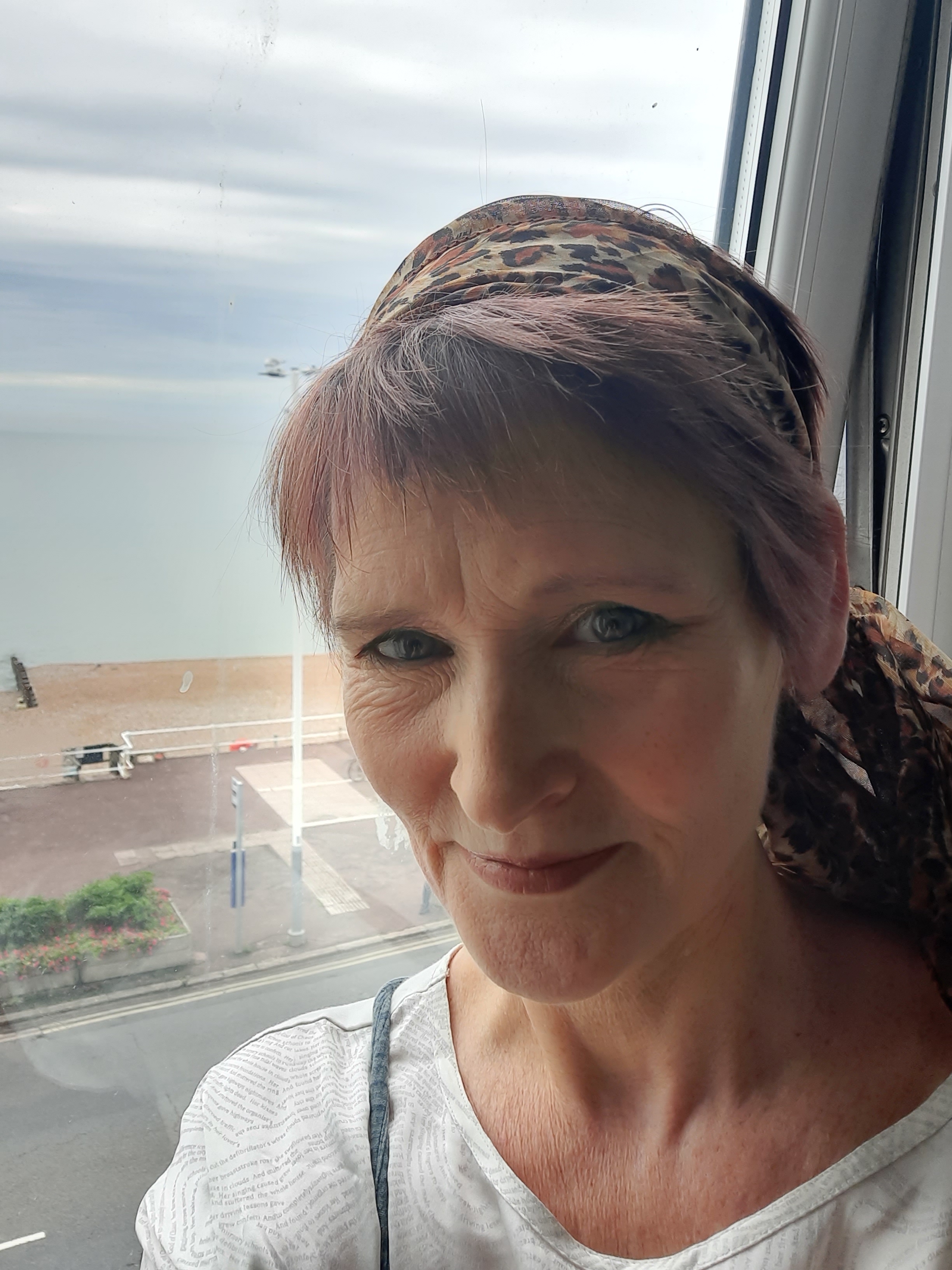
Cole Beauchamp is a queer writer based in London. Her stories have been in the Wigleaf Top 50, nominated for awards and shortlisted for the Bath, Bridport, Oxford and WestWord prizes for flash fiction. She’s also a contributing editor at New Flash Fiction Review. Cole lives with her girlfriend and has two children. You can find her on bluesky @nomad-sw18.bsky.social.