After the hostage townsfolk are freed, the bandits run off or gunned down in the street, and a fine speech given by the rotund mayor, after one last ‘adios’ dropped to a freckled/gap-toothed adolescent before the hero rides into the sunset, the town remains. The woman waving her handkerchief turns away at last, goes back to hanging her laundry on the line or shilling slop to her hogs or takes her place again beside the stooped piano player and sings a song slightly off-key to nobody in particular. Her man feels a pang of guilt for his empty pockets or embarrassment with his back turned at the piano or cultivates a hard root vegetable of resentment in the arid earth; leans on the hoe, the piano board, leans on the bartop and asks if his tab will cover another. And the dirty/freckle-faced kid grows up hard. His father hits him and doesn’t remember hitting him, never remembers hitting him. He is sixteen and tells his mother that he is leaving for good, and his mother doesn’t stop him, packs for him some jars of preserves and pickled vegetables, or his mother doesn’t stop him but she does take from him the old revolver he had wedged down his waist front, slaps him across/kisses his cheek before she sends him off, but everywhere he goes it seems the problems are the same. They chase after him and then arrive ahead of him. There is trouble at the mine between the union and the mine-owner. There is trouble between the sharecroppers and migrant workers. When the first national bank opens in town it invents as dialogic pairs the bank robber, the pinkerton agent, the insurance adjuster, the insured. Barbed wire closes the cattle trails, the cow herds pack the earth, each on their separate acreage.
And they don’t predict that when the rain doesn’t come, and the rain doesn’t come, the land would turn to dust, immense clouds of dust that would roll through and cover everything but for that freckle-faced/gap-toothed kid, not that freckle-faced kid, but some other dirty/freckle-faced/gap-toothed kid from some other town, now grown to manhood, working for an alphabet agency laying asphalt, breathing in the tar, baking in the sun, it becomes a way home. The asphalt takes him home, brings him home, finds him at home in this new town that is altogether a different town with different people, but somehow the same. The mine is dead. His father is dead. His mother is dying. He takes a job at the Sears store, drives his mother for treatments at the hospital another county over. He marries a woman with a very young child. The Sears closes after the town is bypassed by the highway. He drives so many miles in a day, between work and home and hospice. The town hasn’t moved, hasn’t gone anywhere, but he feels out of place or maybe out of time. At night he watches science fiction on TV and tries to nurse the terrible pang in his back, feels a terrible pang at this particular road that he has paved, as if it was not his own life he had lived up to now, but someone else’s. And though he is happy, happy to be with his wife, happy to have this daughter that has chosen him as a father, some part of him aches for the time, a time, when the town could be “saved.”
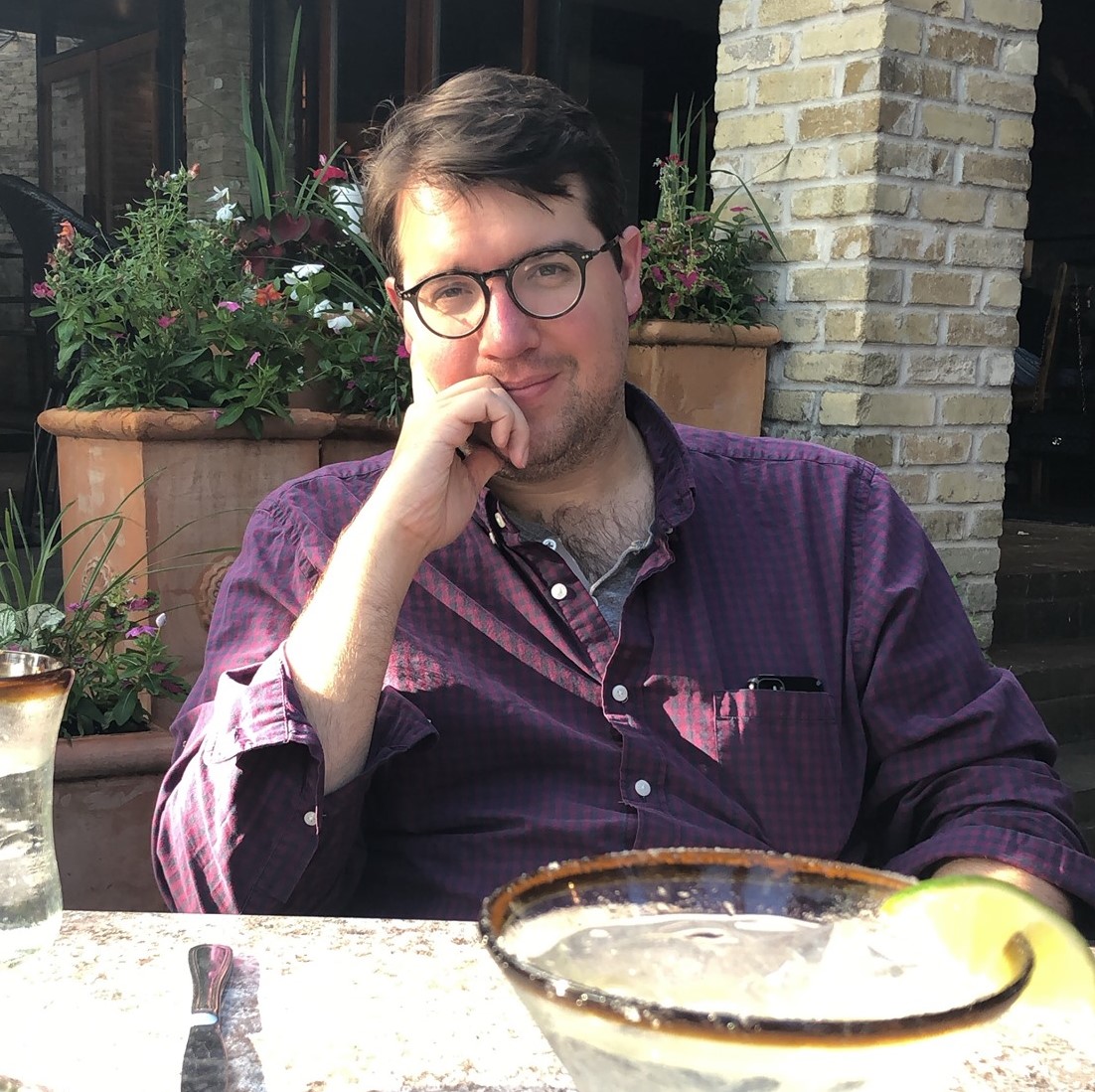
Brandon Forinash is a writer living in San Antonio, Texas with his wife and one-year old daughter. His stories and flash fiction have appeared in X-R-A-Y, Wigleaf, Flash Frog, most recently in Short Story, Long, and other indie zines.
 Lost Balloon