the arc of her influence by Carrie Sword

at the speed of moonlight, hedges breathe easy, insects sleep. purple smudges lawns and these are not her shadow, but the shadows of everyone in her light. she casts an aura like a pregnant belly, the curve so wide it arcs underground, illuminating spaces between grains of soil, worms, bones of the dead, and cicadas waiting for 13 years. everyone touched underneath the ground, underneath the moon in the light of her undoing.


3-2020_CBS_with_computer_photo

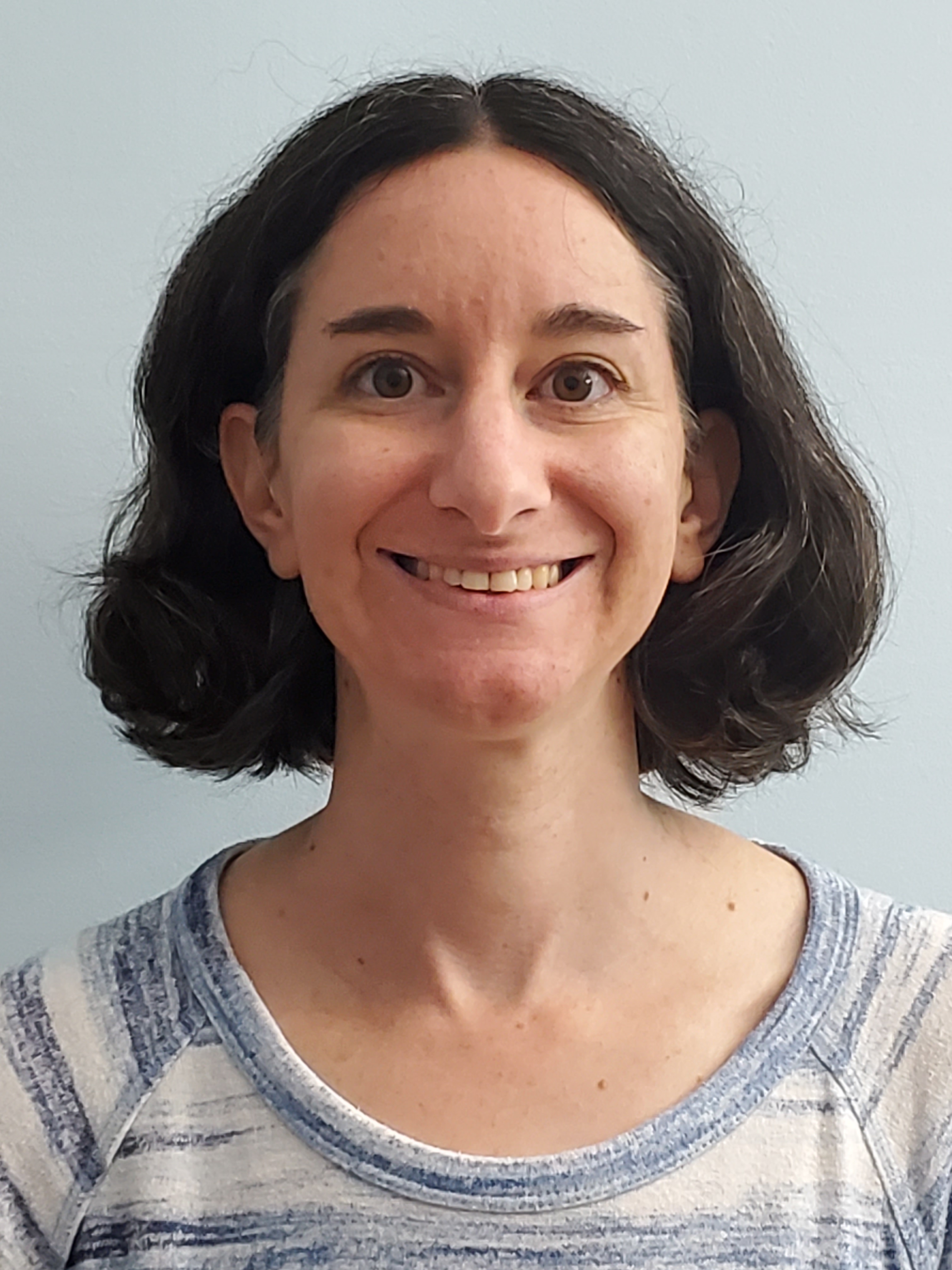
Carrie Sword is a Jungian psychotherapist with a Ph.D. in clinical psychology, and a B.A. in English. Her writing has appeared in Sky Island Journal, Ink Drinker’s Magazine, and Sledgehammer Lit. She also holds an Associated Press Award for Feature Writing (Series).

Anna and the Sea by Laila Amado

On the morning the sea decides it’s time to come home, Anna wakes up in her bedroom, where the windows stand open to the four blowing winds. Summer air brims with the scent of seaweed and iodine.

She slips on the dressing gown and makes her way down to the living room. At the bottom of the stairs, suitcases stand packed and ready for the move. Anna sidesteps them, giving their rectangular bodies a wide berth.

In the kitchen, she sets on the stove her favorite kettle, the one with a small dent in its shiny copper, a vestige of the time her youngest son had childhood tantrums. Once the water begins to bubble, she throws into the tea infuser a spoonful of mint, a pinch of bitter flowers. A measure of valerian root gets added into the mix. Staring at the steaming cup, Anna contemplates the limited benefits of self-medication in a world about to drown.

Outside, car horns begin to blare. Evacuation buses calling for passengers.

Anna ignores them. She steps out of the back door and takes a walk in the garden, where grandmother taught her how to walk, traces the lines in the bark of her grandfather’s oak with her fingertips. Under the old tree, a porcelain bowl with a thin crack running down one side sits abandoned in the grass. She squats down beside it to watch the bright green froglets splash in the shallow rain water and contemplates the meaning of the word “amphibian”.

Anna remembers rumors of the coming flood sparking panic, the townsfolk leaving one by one. First, the people she occasionally met at the market. Then the ones who raced their bicycles to school with her. Family and friends were the last to go. “Aren’t you scared to stay in the lowlands?” they kept asking.

She comes back inside and takes a long look at the suitcases. Outside, the wheels of departing buses start to roll, scraping the gravel. Somebody rings her doorbell.

Anna sighs and clicks the latches of the suitcases open, one after another, carefully hangs up the blouses and dresses in the closet, sets her favorite books back on their shelves. By the time she is done, the doorbell ceases to ring.

She steps out into the now deserted street, letting the gate fall shut behind her, and walks towards the sea. In the distance, gulls soar in the pale sky. Dandelions and weeds bloom in the ditches. When she reaches the abandoned watchtower of limestone and rusted nails, Anna contemplates the lives of those who built it so many centuries ago, how no one remembers who they were. She shakes her head and keeps going.

Outside the town limits, Anna scrambles up the hill on all fours, tufts of bright green grass sliding through her fingers. She stands on the wind-swept top, where flat rocks are imprinted with antennas and segmented tails of the long-gone trilobites. This place was once the home of the sea. Now it wants to come back. Anna can certainly understand this particular kind of longing.

The sea swells and expands, breaching the dam. From her place up on the hill, Anna sees the cars and buses scuttling down the winding road below—tiny toys made of red and yellow tin can metal, unable to outrun the waves.

The sea stands tall. It is a swirling, moving wall of blue, indigo, and azure. Anna leans forward, hands thrown wide in a welcoming embrace. She calls to the sea, and the sea listens. It rolls into her open arms.

Blue, it crushes into her chest.

Green, it pours down her throat.

Teal, it cuts open the gills in her neck with shards of bottle glass.

Shatters her into a myriad tiny specks of sea foam and puts her back together.

*

Anna walks down the hill, her steps slow and measured. There is a new sway to her hips, a reassuring heaviness resting in her body. She flows along the familiar road, past dandelions and weeds, the nameless watchtower, and the neat white fences.

Back at the house, Anna opens the gate with a gentle caress. In the kitchen, she makes herself a new cup of tea, curls up in her favorite armchair with a half-finished book. Outside, the sky goes dark, and the pale pink flowers open on the low-hanging branches of magnolia trees.

Anna and the sea are home, and everything is at peace.

Olga_3

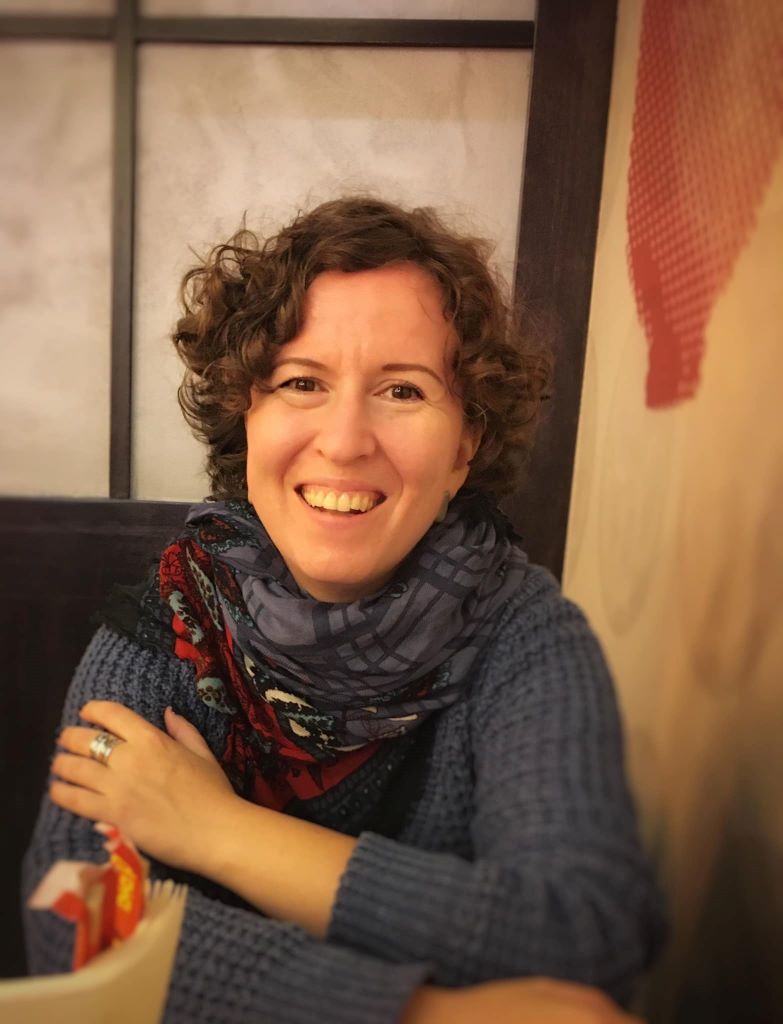
Laila Amado is a migrating writer of speculative and literary fiction. She writes in her second language, has recently exchanged her fourth country of residence for the fifth, and can now be found staring at the North Sea, instead of the Mediterranean. The sea, occasionally, stares back. Her stories have been published or are forthcoming in Best Small Fictions 2022, Cheap Pop, Milk Candy Review, Cotton Xenomorph, Flash Frog, Best Microfiction 2024, and other publications.


Cléo from 5 to 7 by Sarp Sozdinler

I liked looking at the poster because the lead actress and I shared a first name, and she had her hair cut close to the scalp like Mom, and I guess I have a weak spot for women with short hair, so I bought a ticket from the front booth and entered the first hall to the right to see the movie. In the half-dark of the hall I let my eyes flit across the screen to catch the subtitles: The cards can’t see you yet. The tarot will reveal more if you choose to show up. At the end of the row to my left stood a man. An old man. A man who looked like the older version of the man in the movie. Minus a mustache. Minus half his hair. Minus his unsalvageable youth. I imagined him coming here to see himself on the big screen after all those years. Forty years. Fifty years. And it would make him what today—eighty? ninety?—given that the movie came out, as the poster had it, in 1962, the year my mother was born. I turned my head back to screen and tried to watch the rest of the movie. The movie was about a young pop star who wandered the streets of Paris from five to seven, in the two hours that she had to kill before hearing from her doctor about the result of her biopsy. She was a nervous wreck, the kind I liked. Mom had given me a poor taste in men and a poorer taste in women. That was before she died of leukemia herself, severely lacking in healthy cells and happiness. She, too, liked to cut her hair short and walk around the house with nothing but a dotted white robe on. I knew she would like the man sitting at the end of the row if she were still alive. She would like his manners, she would like his bespoke tweed jacket. She would like his deadness on the outside. She and he would enjoy a cup of tea together, at the downstairs cafe of the movie theater. They would talk about the weather, they would talk about God. They would discuss what a fine year 1995 had been, the last happy time before I was born. They would kill time, she would kill me, and I would kill myself. Her eyes would turn to me and say: It’s okay. I’m okay. The cards can’t see me yet.


SarpSozdinler_Portrait

A writer of Turkish descent, Sarp Sozdinler has been published in Electric Literature, Kenyon Review, Masters Review, DIAGRAM, Normal School, Vestal Review, Maudlin House, and American Literary Review, among other places. His stories have been selected or nominated for anthologies (Pushcart Prize, Best of the Net, Best Small Fictions, Wigleaf Top 50) and awarded a finalist status at various literary contests, including the 2022 Los Angeles Review Flash Fiction Award. He’s currently at work on his first novel in Philadelphia and Amsterdam.

Tunnel View by Elissa Cahn

Dan sees his stepfather’s face in El Capitan, his jaw outlined in the crag. Though it’s been two decades since the day he made Dan follow him miles down the trail, Dan has, until now, avoided parks. Dan has pictured this moment—crossing into Yosemite—so many times, but it’s nothing like he’d imagined. He had wanted to fall on his knees, weeping before granite.

Dan tries to steady himself, gripping the plaque that reads, A Journey Through Time. His wife, Laurel, eight months pregnant and exhausted from two days in the car, wipes juice from Krista’s cheek in between squalls. He wasn’t afraid when Krista was born, but this time, it’s a boy. Contrary to any evidence, he’s terrified he’ll hurt his son on purpose. You are here, he tells himself. Still, in the red flame of rock: His stepfather’s sunburned cheeks when he decided they’d veer off trail, travel cross-country.

By the way Laurel sets Krista on the ground and stretches, he can tell she’s determined to enjoy the sunset. She spent so many hours managing Krista while he drove, the endless snacks and crying and adjusting of the car seat. She takes Dan’s hand, kisses his knuckles. This trip was his idea—he’ll never go back to Florida, but he thinks he might find something ecstatic in mountains. And he sees how much she wants this for him, so he squeezes back.

Besides, there’s no need to rehash—she already knows about how his stepfather made the kids call him Captain, about the diamondback rattler sleeping in the grass. He’d handed Dan a stick, said, Go ahead.

Dan unzips his day pack, readies his camera. He focuses the lens on his wife catching her hair in the wind; his daughter, patting the rock fence.

Across from El Capitan, Bridalveil Fall reminds him of the rattle, just before.

Laurel, lifting Krista into the air. Krista, waving at a scrub jay. Behind them, shadows move across the rock face.

In the last of the light, he captures the fullness of Laurel’s belly, the ripples the breeze makes in the fabric of her dress. The darkness as it passes through the valley.


Head_shot

Elissa Cahn completed her MFA at Western Michigan University, where she served as the nonfiction editor for Third Coast. Her work has appeared in Witness, Harpur Palate, Hobart, PANK, Sou’wester, and SmokeLong Quarterly, and she teaches creative writing at the Kalamazoo Institute of Arts.