Teddy Bear Juice by Elissa Matthews

So last night I was imagining that I had lived my whole life and now it was over. I was saying goodbye for the last time to everyone I cared about, and then dying and being reunited with the people who died before me: my mother, my grandmother, my little brother. It was an exercise out of my inner child workbook, guidance for living in the now. Sometimes I have trouble living in the now. Tears were running down my cheeks, wetting the pillow, when Len came into the bedroom and said, “Hey, Peaches, you awake?” in his Come and Get It voice.

Let me tell you about Len. He always calls honey “teddy bear juice,” because what else would you call the stuff that comes out when you turn a plastic teddy bear upside down and squeeze it? I laughed about it the first couple of times, but after fifteen years of marriage, now I just ignore him. I almost cheated on him once with a man I met at the library who made me feel witty and brave and free.

He’s getting a little bald, and a little pudgy, and I can’t ride in his car for long because the smell of the cheeseburgers he thinks I don’t know about makes me queasy. Whenever I need some help around the house — a lightbulb I can’t reach or a heavy table moved, taking the kids to the doctor or calling the plumber or yelling at the plumber or paying the plumber — Len is out somewhere running some pointless errand. He almost cheated on me once with a woman at work who made him feel witty and brave and free.

But he doesn’t gamble, and he has a decent job, and he shaves every morning, even on the weekend, because he knows his beard gives me a rash.

And the kids still shout “Daddy’s home!” and run to him with big grins and open arms when he rolls his smelly old fast food clunker up the drive.

And his smile is still the most beautiful sunrise I’ve ever seen.

So last night he came into the bedroom and said, “Hey, Peaches, you awake?” in his Come and Get It voice, but when he saw me crying he wrapped his arms around me and held me without saying a word. I told him about dying, and he smoothed my hair and tucked the quilt around me, got into bed with me and just held me. Someday one of us will have to bury the other one.

In the morning, while I’m brushing my teeth and imagining I’m not getting older, Len grins at me in the mirror, winks and says, “You owe me one. I come to bed all horny and you pretend to be dead.”

In the mirror the laugh lines around my eyes get just a bit deeper. “Talk to the butt,” I say. I flip the bottom of my robe up at him, dart out of reach, and go downstairs to make his coffee and toast with teddy bear juice.
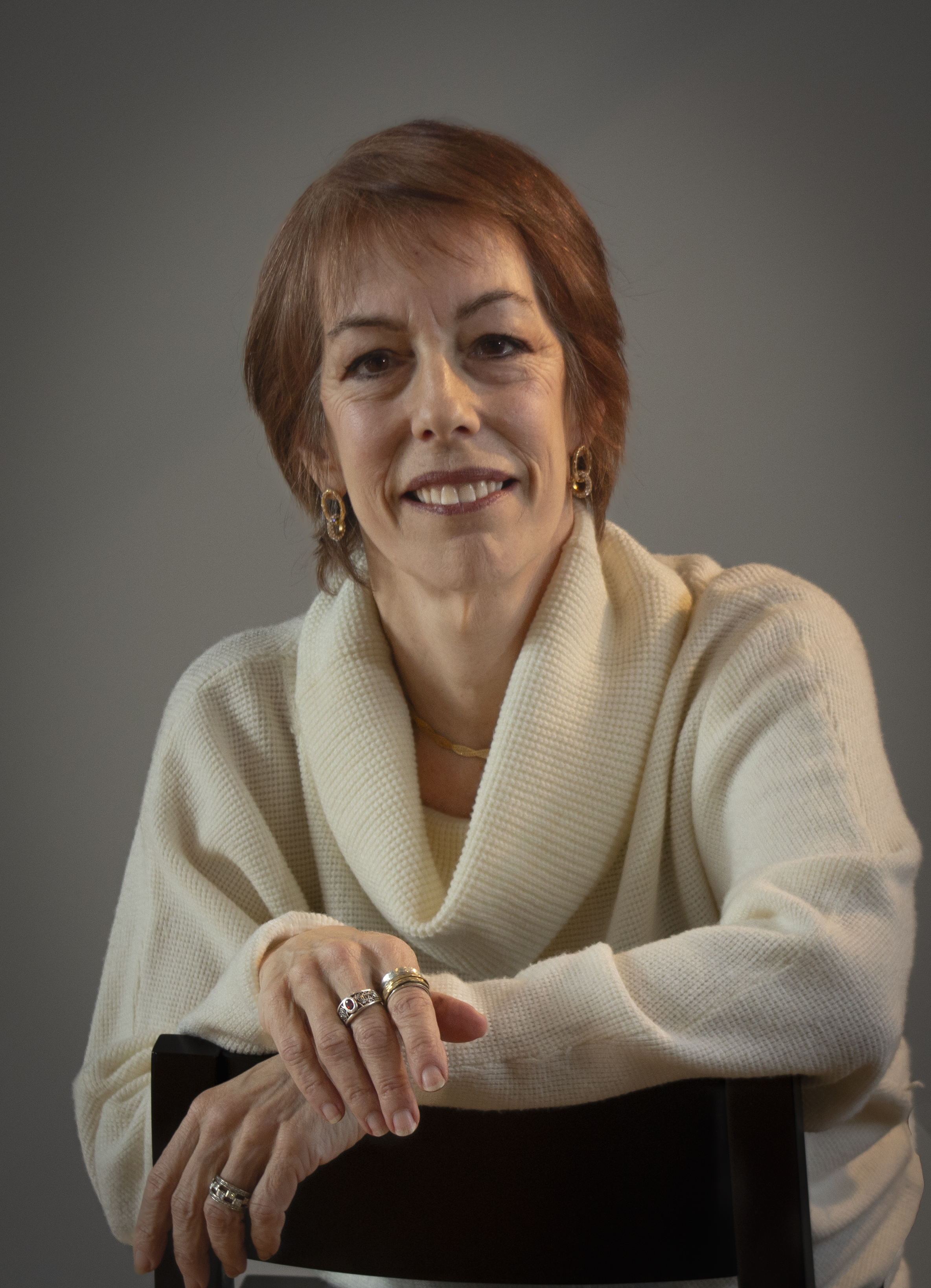


EPM_PhotoElissa Matthews was born, raised, and began work many years ago at the phone company in New Jersey. At some point she got fed up, launched on a journey of discovery, and explored a bit of the world. One frigid day in November, at 5 in the morning, climbing into cold water scuba gear looking for a dead body, she realized that maybe a 9 – 5, climate-controlled job in an office somewhere (even New Jersey) wasn’t as bad as it sounded. She has published one novel, Where the River Bends, and short stories and poetry in several journals and anthologies, including Red Rock Literary Review, Lilith, and Art Times. She was previously Editor-in-Chief of Goldfinch, A Literary Magazine.
 

Boolean Logic by Barrett Bowlin

You’re supposed to be 43 now, maybe 44?, and you’re either the guy on Instagram with the photos of handguns and old cars and tattoos (HOLD FAST and DON’T TREAD ON ME) and the surgery scar from the terrible car accident, and I can’t really tell because I think those eyes are the eyes I remember, maybe?, but you’ve grown a beard and you live in a different state, and you haven’t posted anything in the last three years, and I don’t know if you’re dead or not,
OR
you found God and volunteered your time for Him, and you work at a warehouse one state over from where we grew up, and, two years ago, you wanted a different job, so that’s why you made the LinkedIn page, but there’s not a single photo of you online—your profile mentions you were in the Army, which you were, though it doesn’t give your years of service—but I hope this is you instead and
that you’re doing well,
NOT
like how it was when you were 19, and it was Halloween, and your girlfriend told us you were on leave over the weekend, staying at the Days Inn and not at your mom’s place, and it smelled like old smoke in the room, but there we were, just the five of us on the king-sized bed and the cloth armchair and the questionable floor, and your girlfriend was dressed as a harlequin for the party she went to earlier— none of the rest of us were in costume—but, holy shit!, you’d shaved your head and grown taller, and you had abs and pecs and sunken eyes now, and there was a seriousness to you, maybe something to do with why you had to go and live with your dad in the middle of high school,
AND
there were empty Rolling Rocks on the floor, like the green bottles we stole from your mom’s fridge when we were 13 and she’d gone to bed, and do you remember how we stayed up late watching Tales from the Darkside on VHS after trick-or-treating? In the movie, Debbie Harry played the witch that was going to eat the little boy she chained up in her pantry, and he wound up saving his own life Scheherazade-style by reciting stories to her about a mummy and an evil cat and a family of gargoyles, and sometimes these are the fictions we have to say out loud because not saying them is worse.


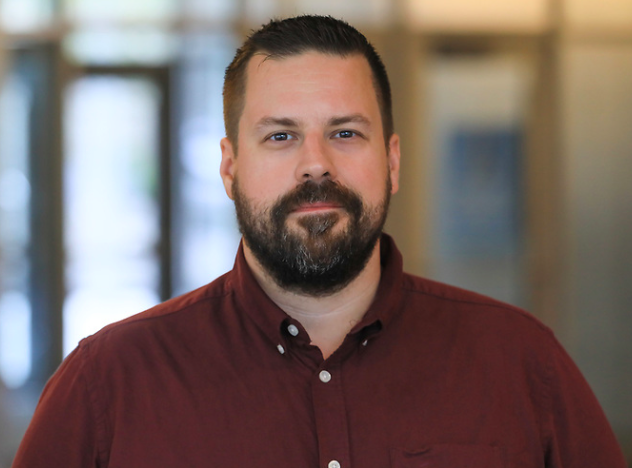
BarrettBowlinBarrett Bowlin is the author of the story collection Ghosts Caught on Film (Bridge Eight). His essays and short fiction appear in places like TriQuarterly, Ninth Letter, Barrelhouse, Salt Hill, The Fiddlehead, and Bayou. He lives and teaches and rides trains in Massachusetts.
Let Go of the Bones by Yasmine Yu

The flesh had been the first to melt away. The fire licked up the hair, eyes, skin, fat, stomach, heart, lungs and so on, until only the hard bits of my body remained. My skull rested on one end of the tray. The rest of the bones had been gathered into a desiccated bouquet of ribs and shards. A couple of knobby vertebrates peeked out from the bed of gray ash.

My family leaned over the tray, heads bent in watch. But I hung back, adrift but cinched by a sudden urge to reach into the remains and grab what appeared to be the clavicle. It was a sturdy rod, long as a palm is wide, wide enough to hang a skeleton on. I had felt it traverse my body once, where unlike the other bones buried in layers of fat and muscle, the clavicle protrudes gently out of skin. I remember what it was like to run my fingers along the deep crevice that a pair of them would form under a fluttering, silk shirt.

***

Before my body burned, it lay in a dark, plush casket in the sandalwood-soaked air of the temple courtyard. I sensed moving bodies through my closed eyelids. The murmuring voices called my name, bearing joss sticks. Above the altar hung my portrait, flanked by sumptuous flower wreaths. In the photo, large pearls were clinging to long, wrinkled earlobes that looked like dried mushrooms. The left corner of my lips was drooping, like a dog’s limp tail. I was wearing an inscrutable expression, a crooked grimace, a coda, my body cut off right at the collarbone by the frame’s edge.

Rites done right became ordinary. Old friends, neighbors, former colleagues, children of those who were too sick themselves to come, distant relatives, not many left in my generation still living, then, two sons, three daughters, four grandchildren, husband, their names dissolving fast like broth pouring through a sieve. Where does it all go? Them, me, this place? As I chewed a slice of guava upon the altar, fragrant smoke curled around me, and I pondered this.

***

The reading of the bones began. In the windowless room at the funeral hall, the suited attendant talked like a game show host, sculpting the stale air with his hands as he spoke. An intact skull, he announced to my family, indicates good karma.

Now, look here, he said, pointing to the tawny edge of a knuckle bone. Streaks of yellow mean heavy medications towards the end of her life. Healthy bones would be white.

I was glad to see the clavicle was a pleasing hue of ivory. I wondered in earnest if it was still hot. It looked fairly solid, but a few hours of incineration could have melted the marrow so all that remained was a thin shell. The urge to grab it was growing. Right as I reached in, there was a flicker in the corner of the room. Then a quiet bark.

A little white dog had appeared out of nowhere; it looked exactly like the one that used to live with us back on HPL Road, before he disappeared one night. Even his whiskers crusted familiarly around his snout.

I drifted low to scratch its ears. The dog said, you don’t have to look.

Look at what? I asked.

They’re going to bang the bones to dust and stuff it in an urn.

I sighed.

It’s the clavicle that ties me here, I told the little dog. I just want touch it one last time to see if it will crumble away in my hand.

I understand, said the dog. I love bones too.

***

So the dog and I decided to go outside and catch a breath. Next to the funeral parlor was a grove. The ground was covered in twigs and acorns. I dug up a stick to toss for the dog who ran back and forth a few times before tiring out at my side.

We came to an ancient tree lying on its side. Gnarled roots twisted out of the earth. From afar, the wood had looked firm and sound, but up close, I saw that the trunk had hollowed out. Its emptied core was bursting with ears of fungus and insect nests. The bark had started to peel, and a soft pelt of lichen crept over the side of its wooden body. The little dog sniffed at the mulch.

In the distance, I heard a cracking noise like a big dead tree coming down, another felled giant meeting the forest floor. I hoped no one and no house was in its path.

But then I realized it was the sound of my oldest daughter’s voice. In her booming way, she was talking directly to the bones in the tray, saying, there’s nothing to be afraid of, it’s okay to go.

***

My family took the ancestral urn aboard the bus. The dog and I sat in the back. We left the skyscrapers and boulevards of the city, passing stalls with steaming vats of buns, rain-washed buildings, the bus depot on the outskirts of town. When we reached the mountaintop, my family buried my body bits in a shaded plot where over several years the ashes would seep into the soil and one day grow into flowers.

A gray mist was brewing in the atmosphere, and it clung to the branches and buds of the pink trees like silk cloth. The bus drove away. I realized I had been here before, at the bottom of a breath, in the invisible world stirring to form. By then, I was fast dissolving into the ground, air, sky. There were no names nor shapes anymore, only a last whispered sound of an urge breaking apart.

Take care of the clavicle, I said to the little white dog sitting by the plot, its tail wagging and tongue hanging out. Then, even that final urge loosened, and the little that remained of me, let go.


230403_Yasmine_Yu_0106 (1)

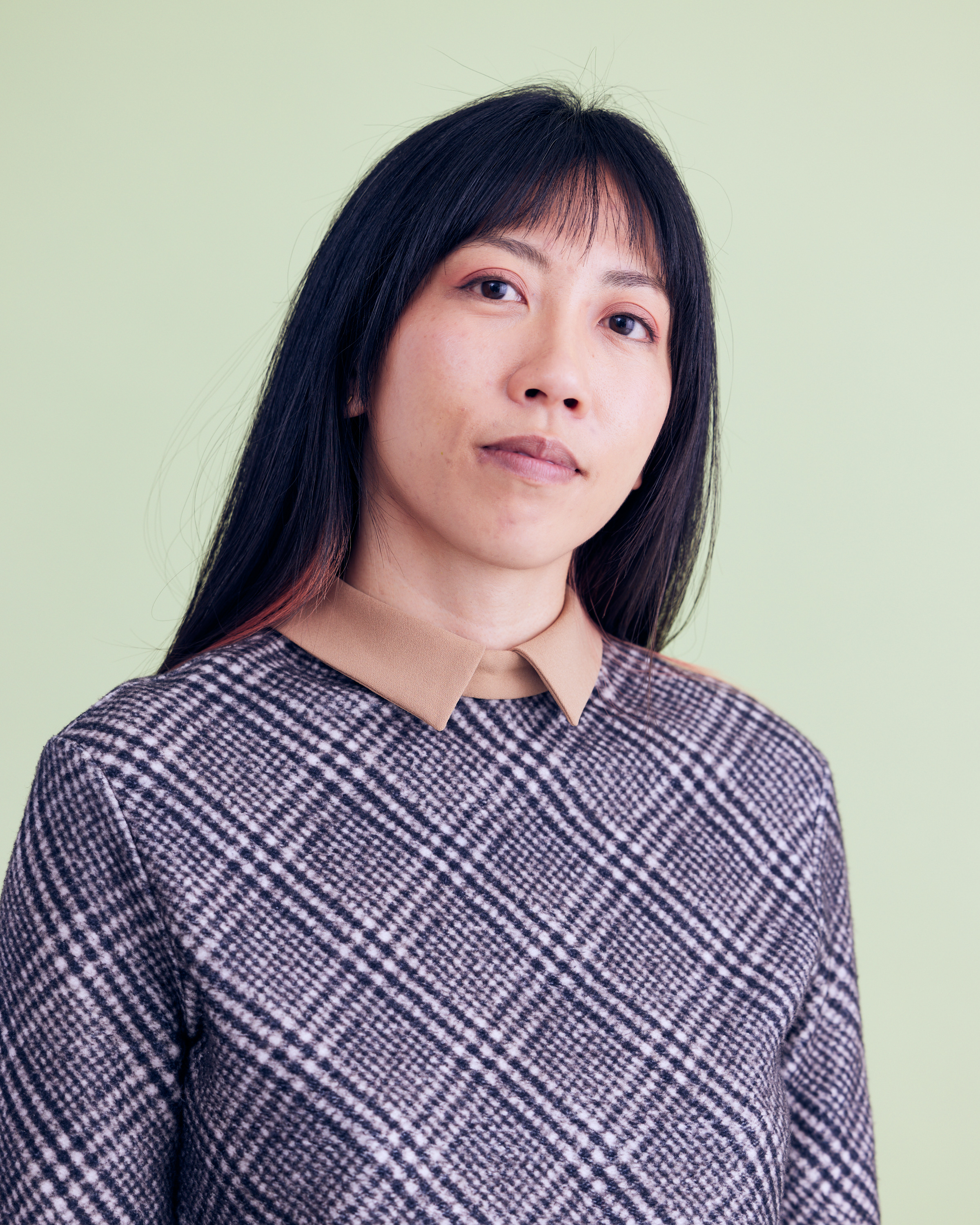
Yasmine Yu is a writer living in Los Angeles. Her work has been previously published in The Cincinnati Review miCRo.

Batting .500 by Paul Rousseau

at 17, I superimpose where things used to be, bunking down in what remains of my near-empty childhood bedroom colored ankle-vein blue, just days before dad gives me and mom the boot to rent the place out as an additional stream of revenue for himself, post-divorce, it’s January in Minnesota and though it’s a worn-out cliché, dad won’t turn the heat on, so I sit crisscross applesauce on the floor listening to Paul Simon sing about armor and islands, rocks and poems out of an old bulbous Macintosh computer, no joke, I can see my breath, shivering as I wait for a girl, who, with my assistance, occasionally cheats on her out-of-state boyfriend to pull up by the streetlight at 3am in her brand-new Ford Escape and I’ll sneak out of the dead house, cold as a corpse vacant of soul, to brave the snow with 4-wheel drive but this time, the boyfriend will call just as we slip off our coats, demanding a word, so I’ll turn down the music and totally redeem their relationship, unlike my parent’s, but if you think about it 1-for-2, or batting .500, is actually quite good.


Anna & Paul

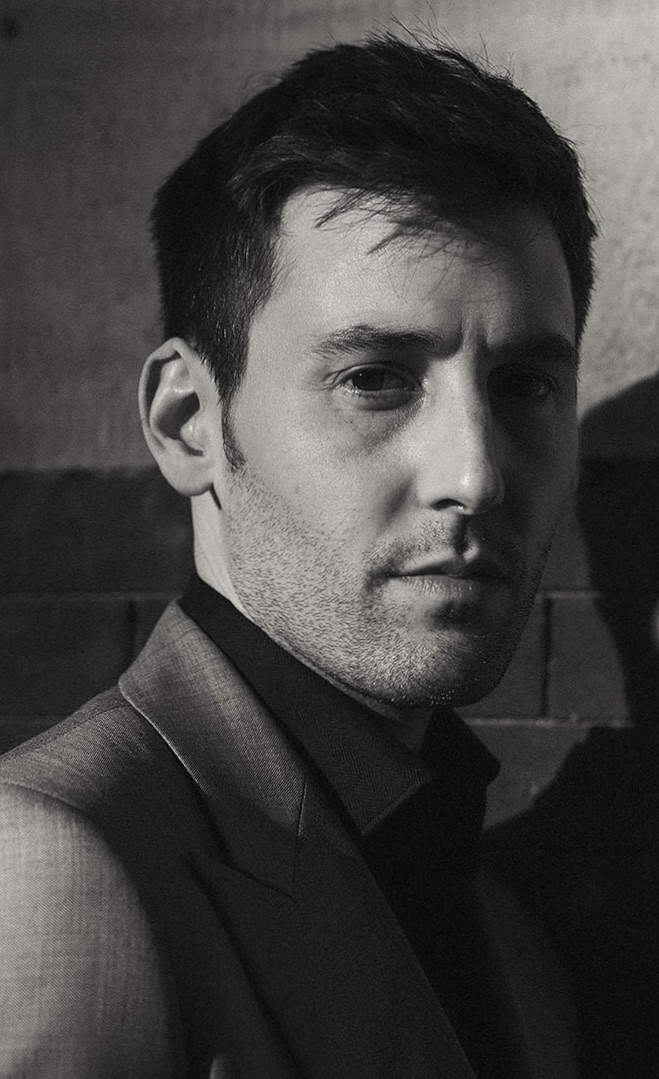
Paul Rousseau is a disabled writer. His debut Friendly Fire: A Fractured Memoir is forthcoming from HarperCollins September 10th, 2024. Paul’s work has also appeared in Roxane Gay’s The Audacity, Catapult, and Wigleaf, among others. You can read his words online at Paul-Rousseau.com and follow him on Twitter @Paulwrites7.